Torch lilies


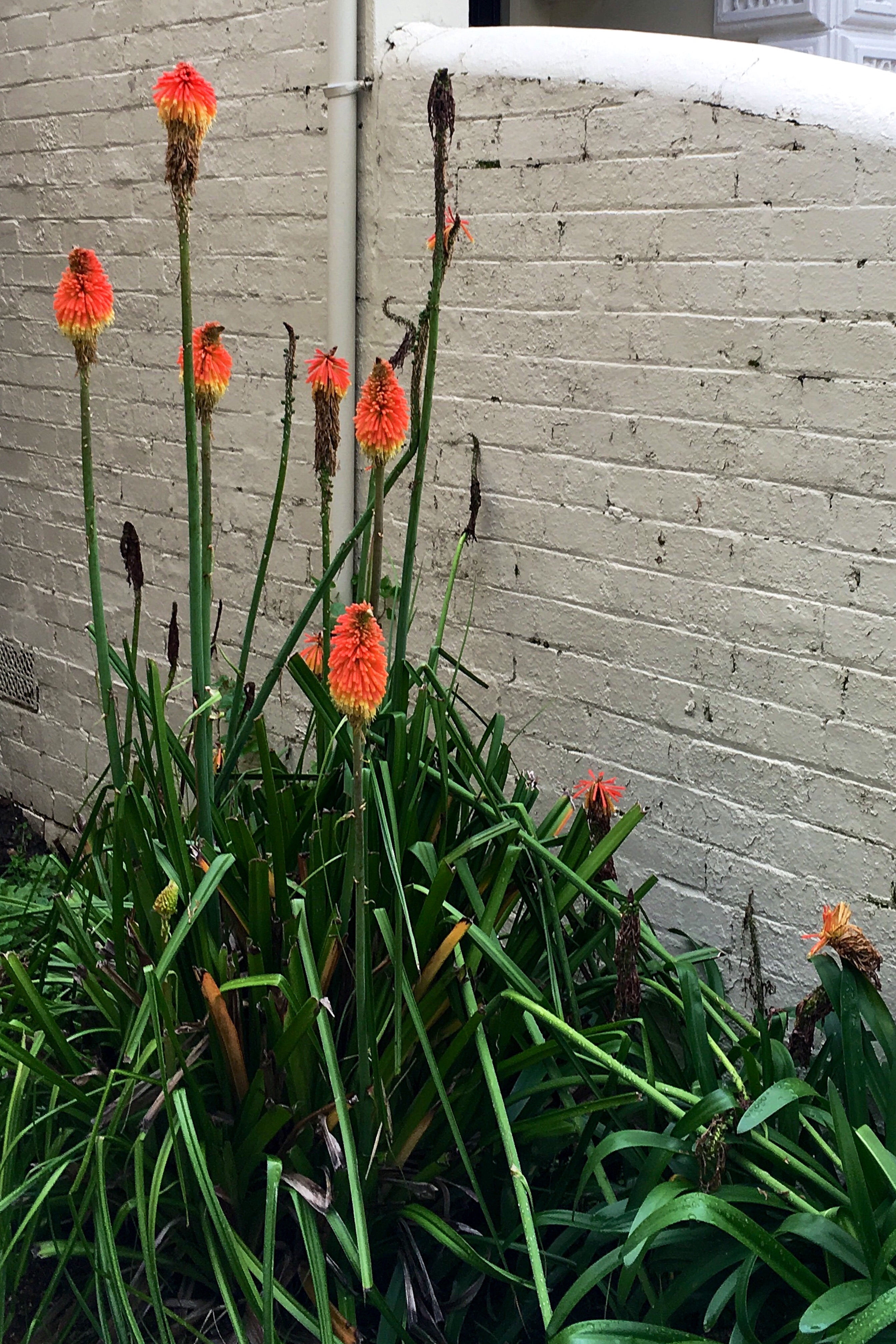
Red hot pokers are a childhood favourite of mine. I was pleasantly surprised to learn from Wikipedia that they are known by other names; excerpt  below:

Kniphofia also called tritoma, red hot poker, torch lily, knofflers or poker plant, is a genus of flowering plants in the family Asphodelaceae, first described as a genus in 1794. It is native to Africa. All plants produce spikes of upright, brightly colored flowers well above the foliage, in shades of red, orange and yellow, often bicoloured. The flowers produce copious nectar while blooming and are attractive to bees. In the New World they may attract sap-suckers such as hummingbirds and New World orioles.

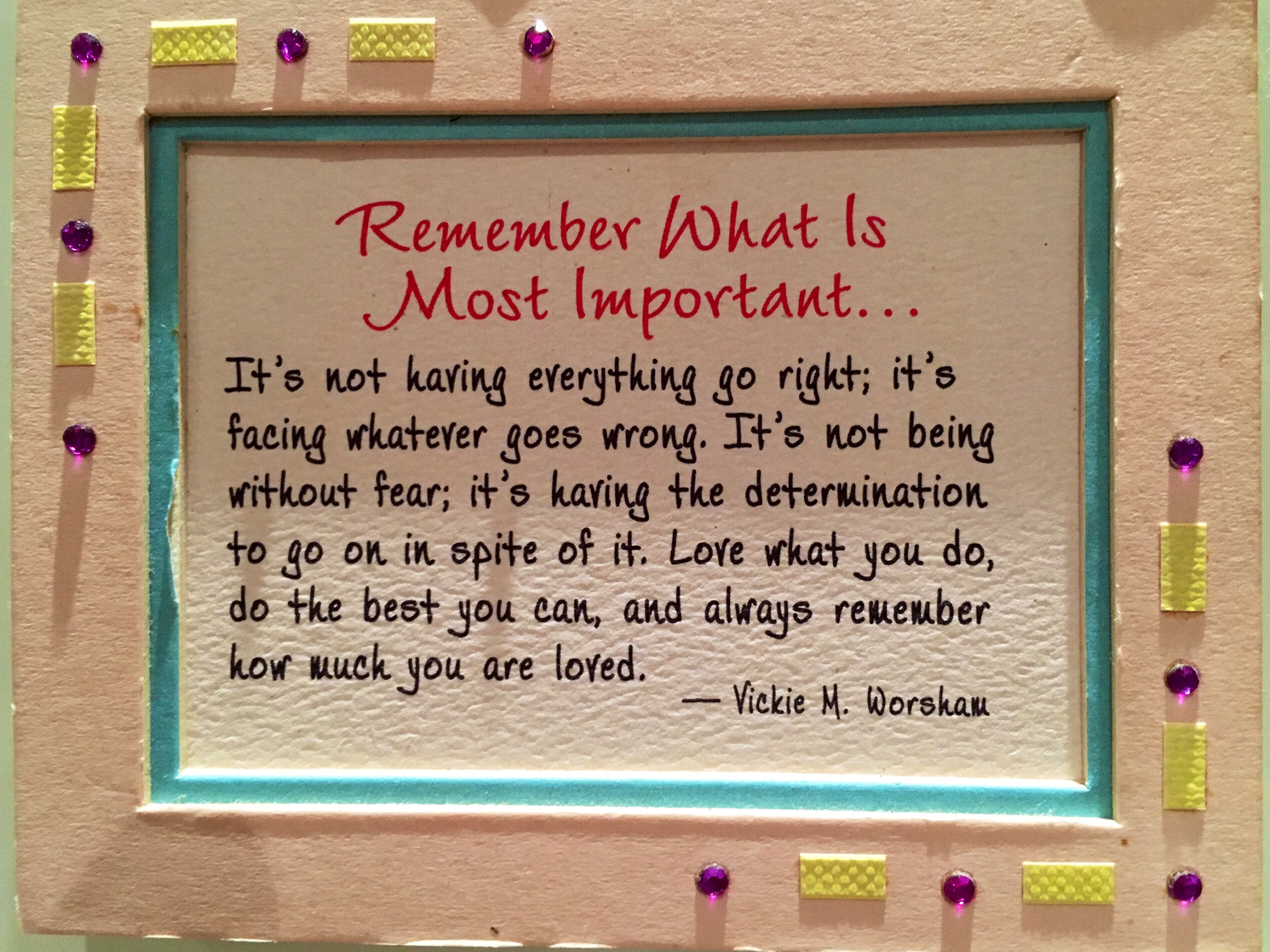
Remember what is most important 


A dear friend gave us a yellow notepad with the above quote when we left the UK.  Since 1998 it has moved with us from home to home six times, preserved in  amongst other special mementos. 

In the last year it has had pride of place on the fridge; remaining even though all of the pages have been used. 

Memories of Sydney Monorail


The Monorail was always popular with tourists, although tickets were expensive compared with other forms of public transport. When I worked at UTS (University of Technology, Sydney) this was the quickest way to get into the city centre at lunch time. 

Paddy’s Markets Station

The picture above shows Paddy’s Markets station (formerly called Powerhouse Museum and originally Haymarket) during the dismantling of the system, please note the monorail has been removed. 

There are billboards inside the station advertising local attractions and ironically discounted monorail travel. The following  is from Wikipedia on 7/7/2016 https://en.m.wikipedia.org/wiki/Sydney_Monorail

The Sydney Monorail (originally TNT Harbourlink and later Metro Monorail) was a single-loop monorail in Sydney, Australia, that connected Darling Harbour, Chinatown and the Sydney central business and shopping districts. It opened in July 1988 and closed in June 2013.[1]

There were eight stations on the 3.6 kilometre loop, with up to six trains operating simultaneously. It served major attractions and facilities such as the Powerhouse Museum, Sydney Aquarium and Sydney Convention and Exhibition Centre. The system was operated by Veolia.