Forever the fool

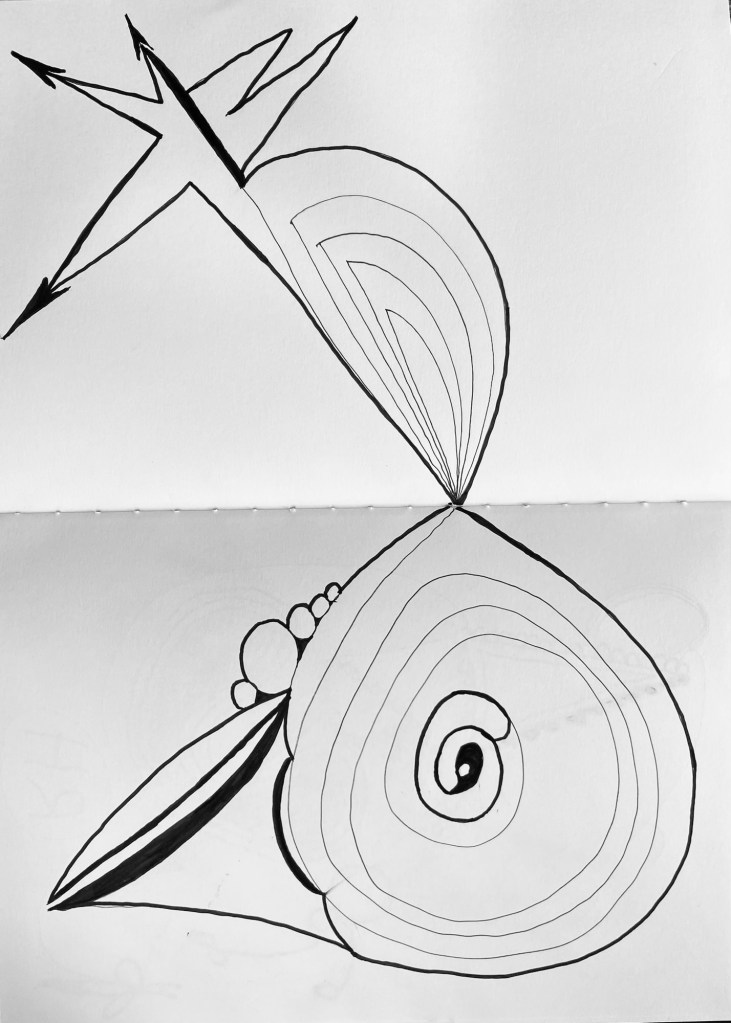
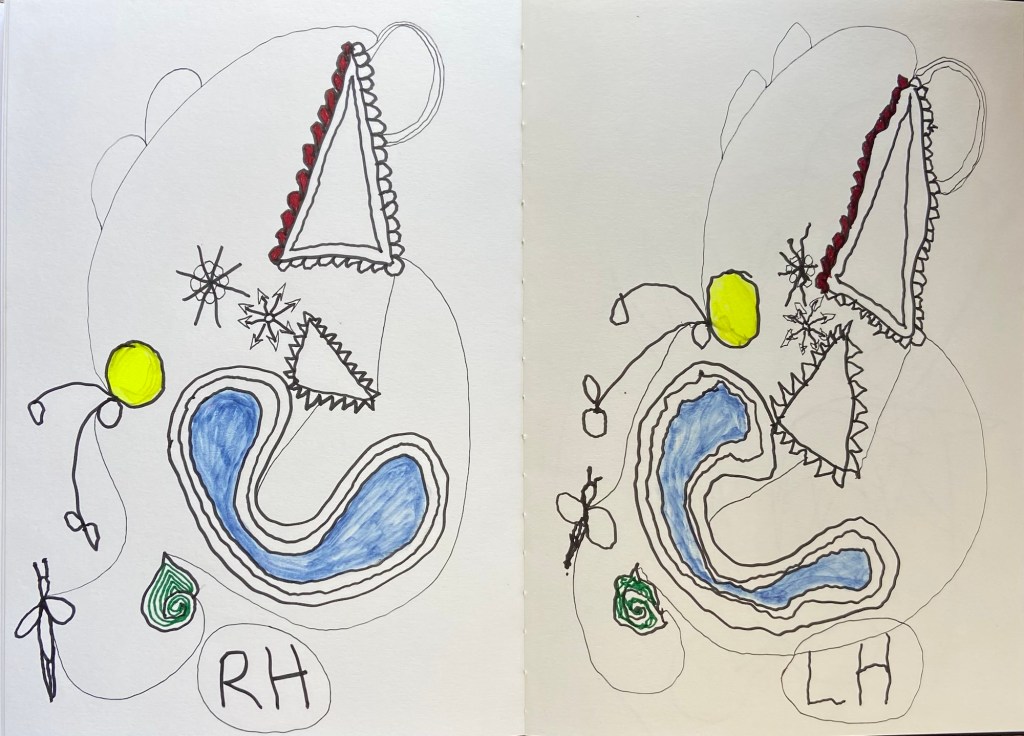
Mixed media abstracted

I took a Valium prior to having my first ultrasound-guided steroid injection into my left wrist. The intent was simple: to calm my nerves, as I feared the thought of the procedure.

There was no need for the pre-med before my right wrist injection. Being externally funded, it required only a short, easy drive from home.

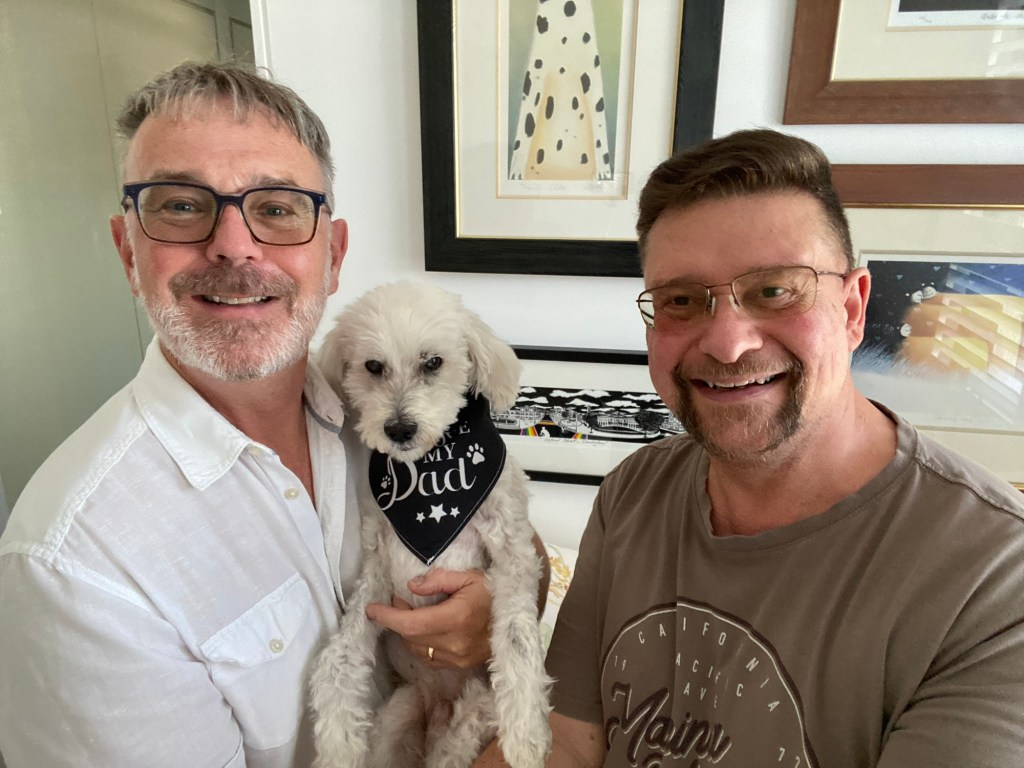
Yesterday, however, my husband took me for an ultrasound-guided steroid injection into my right hip. This time, the radiology practice bulk-billed. I didn’t have to pay a $210 gap payment after my Medicare entitlement was applied, though it did mean a 40-minute drive each way to avoid the tolls. I hoped it would provide temporary pain relief and improve the mobility stolen by osteoarthritis.

Until recently, my need for medical procedures had been scant.

My blind trust in the UK’s National Health Service was forged during childhood, built on the back of my mother’s frequent inpatient hospital stays and our regular visits to the family doctor. Whenever Mom, me, and my two younger brothers had health issues, she would march us from our home in Capern Grove, left into Welsh House Farm Road, left again at Tennal Road, and right into Tennal Lane. Our destination was number two: the surgery of Dr Ezzat, who practised out of a converted interwar house built somewhere between 1920 and 1935.

Access was gained through a large timber gate, along a short path bordered by shrubs and trees, and up a couple of steps to an imposing Georgian/Art Deco portalled front door. Immediately inside, patients stood on immaculately polished, dark brown linoleum that ran throughout the building. We reported to a receptionist, summoning her attention by pressing a doorbell mounted on a cream-painted timber and obscure-glazed partition wall. A small sliding hatch would snap open; you announced your name and were told to go to the waiting room on the right.

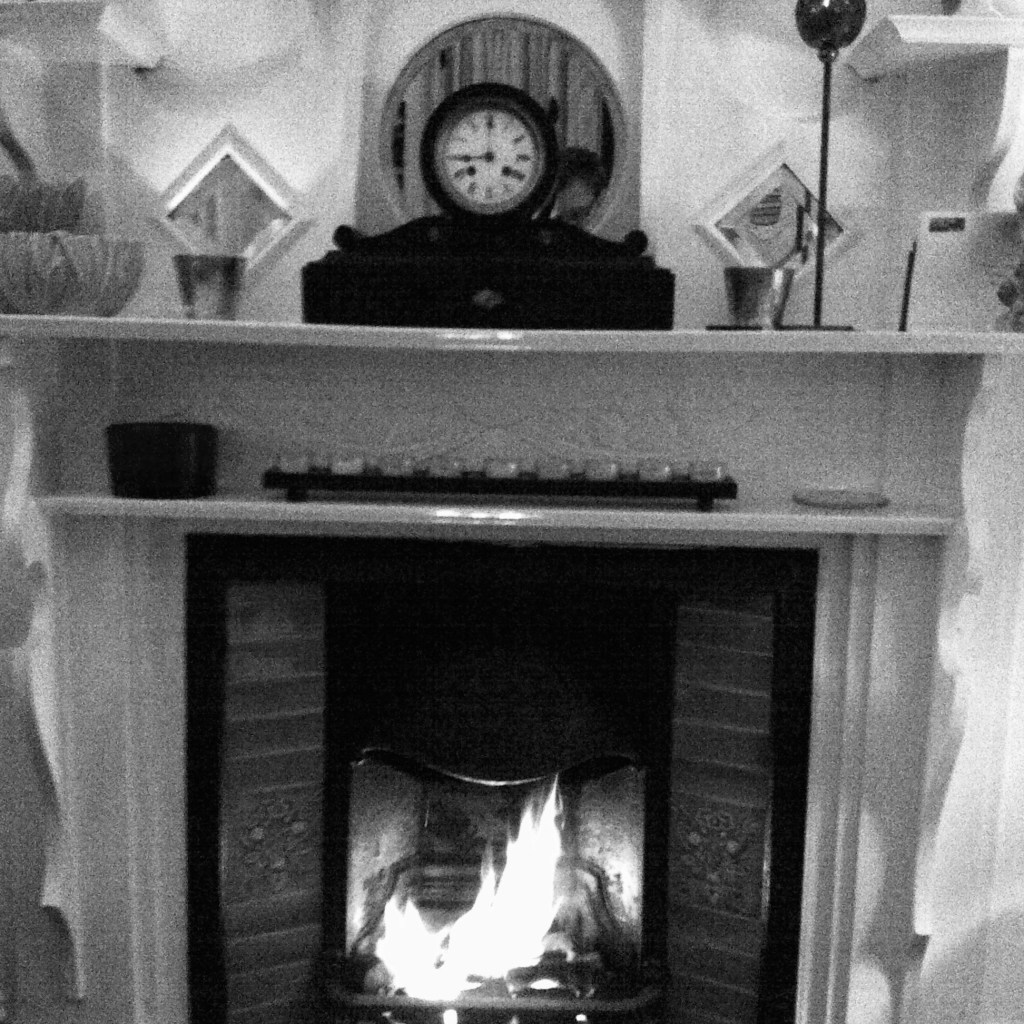
The high-ceilinged, cream gloss-painted room had two heavily curtained windows to the right and another at the far end. There was a boarded-up fireplace to the left, and a centre table piled with ancient magazines, including Reader’s Digest.

Upon entering, you took your place on the first of many mismatching, dark Thonet bentwood dining chairs lining the room. If there were no chairs available, you stood. They creaked as you sat down and shifted your weight on the small, round, hard relief-patterned seats.

A buzzer proclaimed when the doctor was available for the next patient. The person sitting next to the inner door—on the same wall you had entered through—would get up, open the door, and vanish. Everyone else then moved along one seat, like a sombre game of musical chairs.

It could take a few hours waiting your turn in that gloomy, overheated room filled with crying babies and coughing, sneezing people. Finally, your chance arrived to proceed along a passage behind the records-reception room. You would knock on the doctor’s door, await a muffled ‘Enter’, and step into a bright, white gloss-painted room with a window overlooking the west-facing garden.

The doctor sat at a large, heavy, dark timber desk on the left, beneath a wall-mounted cupboard. You were invited to sit to their left. Dr Ezzat would turn to face you in a dark, padded leather swivel chair that had seen better days. ‘Mother, what can we do for you today?’ he would ask. This ageing, gentle, kind, and direct Egyptian man listened intently. He inspected chests with a cold stethoscope and checked tongues and throats with a routine ‘Say argh’—seemingly his remedy for all ailments.

Exiting past chrome-framed, glazed cabinets housing disturbing-looking medical instruments brought you right back to the entrance. When I grew older, I went to the doctor alone. I trusted him completely and felt safe in his care.

In my teens, however, that safety wavered. I was sent to Selly Oak Hospital in Birmingham for a blood test, likely to check for an iron deficiency. In those days, blood was painfully drawn with a thick syringe. Afterward, I couldn’t wait to escape into the fresh air. I rode the bus home experiencing violent, cold shivering. A profound, lifelong fear of needles was born.

Forever the fool, I assumed this hip steroid procedure would somehow be a similar experience to my wrists. I had researched what to expect and was somewhat surprised when I wasn’t asked to change into a gown. Instead, I was escorted by Damian, who was clad in mid-blue scrubs, straight into a large CT scan room. He briefly explained the procedure: local anaesthetic, followed by a CT-guided injection. I wondered what had happened to the ultrasound-guided version I expected.

I was asked to empty my pockets, leave my bag on a chair, and lie on a bed facing a doughnut-shaped machine. A similarly clothed second person introduced himself as the doctor’s assistant, and then introduced me to the doctor. They all wore the same uniform! The assistant reiterated the process, placed a pillow under my knees, and asked me to pull my loose-fitting shorts to my knees and slide the waistband of my underwear down. This exposed the intended site of the injection: my groin. Bizarrely, I had imagined the needle would go into the outside of my hip.

I was sent in and out of the scanner a few times while a screen above me flashed light shapes against a dark background. Next, a pale blue sterile drape was placed over the site. The doctor explained there would be a sting from the anaesthetic, followed by pressure from the steroid injection that might travel down below my knee.

Following an extremely sharp sting of the local anaesthetic, an unpleasant sensation bloomed in my groin, and I attempted to summon my bravery. Closing my eyes, I wondered if it was too late to back out—if I should just live with the ongoing pain and reduced range of motion. The machine was cranked up to full speed and volume. A strange, food-like odour permeated my nostrils, and I briefly wondered if I was cooking. Suddenly, my leg jolted as the steroid went in, sending my entire body into full tension. The doctor told me I was doing really well. I certainly didn’t feel like it, but he promised it would soon be over.

He noted that the pain relief might last for six to nine months, at which point I could have it repeated.

Once the assistant and Damian helped me sit up, my head went woozy. I told them I felt dizzy and started sweating. That teenage bus ride in Birmingham flashed vividly back into my mind. I was laid back down and asked to move onto a trolley—an unwise manoeuvre in hindsight, considering I was still recovering from carpal tunnel release surgery on my hand just three weeks prior.

I kept my eyes closed while being wheeled down a thankfully refrigerated corridor, praying they would not leave me exposed in the main waiting room. I was rewarded with a tiny, screened-off alcove in a side hallway where there was no rush for me to leave. Retrieving my phone from my bag, which had been dumped on my chest, I called my husband with an update. He was parked nearby and promised to pick me up whenever I was ready.

I gave myself five minutes, sat up, slid on my Birkenstocks, and navigated my way back to the reception area. Clinging to the counter, I waited for a form to sign, called my husband to say I was at the front, and waited to be collected and taken home.

Next time, I will definitely take a Valium beforehand.

Day surgery

In the weeks leading up to the surgery date, I worked light duties over full hours. The promise of two weeks off work filled me with a hankering to proceed—managing to push away a mixture of wanting to get it over with and morbid thoughts of amputations and death on the table.
A surprise visit from our niece and partner was a welcome distraction on the eve of the impending procedure.
On the day, duly fasting in preparation, I printed confirmation letters, checked what to wear, and estimated my time at the hospital.
My husband dropped me off at the private hospital. After a short Q&A, I was checked in by 1:15 pm for a 1:30 pm admission time—attired in trackie pants, an oversized white t-shirt, black socks, black Archies, and needlessly topped off by a green towelling M&S dressing gown circa 1993. I sat in the lobby awaiting collection.
One of four names called, we were escorted via a wall-mounted hand-sanitising station to a space reminiscent of somewhere that would have been right at home next to a school gym. Maybe it was the walls lined with lockers, cupboards, and shelving. I was finding it challenging to focus on The Life and Loves of a He Devil, borrowed from the communal library of our residence building, with half an eye on the TV playing The Chase or some other game show with the volume turned up too high.
Eventually, I was invited into a tired, seemingly crowded disabled showering room to change into surgical attire. I found the dark, oversized shadows of footprints pointed towards the shower head a little disconcerting. After being told to leave my underwear on, the nurse put the bag containing their gear on top of the closed toilet lid. I moved it onto the shower chair, aiming to undress on one toe in an attempt to avoid touching the floor with bare flesh. I’m sure the room was clean, just past its use-by date. Then, needing to sit down to put on red ankle socks dotted with white anti-slip circles, I moved the bag back to the toilet.
I was invited to another waiting room, a bit like a 1980s hotel with old people’s home furniture. A notice board sign indicated I still had to go through theatre check-in. I had to stop myself from nodding off in the waiting room. By 4:00 pm, I’d watched one episode of Friends and two of Frasier.
The next bit seemed to happen very quickly. I was taken to an intermediary space where vitals were checked, compression stockings wrangled onto my legs, and a disposable identity bracelet was affixed to my right ankle. I was unsure what to think about the dark blue-clad figure floundering around on the floor in front of me trying to get the stockings on. My belongings were secured in a shelved cupboard.
Accompanied by a nurse, I descended in a lift. When she asked why I limped, I explained I was on the public waiting list to see a surgeon for my right hip. I briefly considered her suggestion of signing up for private health insurance and waiting a year. I was asked to lie on a narrow bed, and an anaesthetic nurse introduced herself. Following an extensive round of questions and answers—name, date of birth, procedure, surgical site, allergies, name of surgeon, and so on—I was wheeled away by the chatty nurse. Overhead, ceiling-mounted lamps illuminated a warren of gloomy-cornered corridors cluttered with equipment and people.
Arriving at the “only theatre with a view,” I spied the unmistakable shape of a palm crown gently swaying through a high-level window in the anteroom, which seemed to be used as a thoroughfare for all and sundry. The anaesthetist introduced himself, and my specialist stopped by to say hi. He and his stubble looked much more appealing in scrubs than he did when I’d met him suited in his rooms over a month earlier.
Bizarrely, after installing a cannula into my right arm, the anaesthetic nurse had me get off the bed, walk into the next room, and climb onto an almost too-high operating table.
When I came around, I became aware of concerns about my blood pressure being too high, with people fluttering around trying things to get it down. I drifted in and out of consciousness, wondering if they would offer me weak, lukewarm milky tea—and, more importantly, the flavour of a much-anticipated sandwich.
Sliced ham, cheese, and lettuce on thin-sliced white bread that stuck to the roof of my mouth was the order of the day. I took care to take small bites after an initial, silent, not-wanting-to-make-a-fuss choking incident. Soon, I was buzzing after two not unsatisfactory cups of coffee with milk.
I was discharged at 8:00 pm, the handover from nurse to my husband picking me up at the drop-off/pick-up zone going off without a hitch.

Broken; not beyond repair

Over a varied working life, I have worn many hats: retail, hospitality, ride-share driving, and people support.

My current employer of approaching seven years actively discourages working without being paid, and overtime is strictly controlled. It sounds ideal on paper. Yet, the reality is a familiar paradox: the workload and performance expectations frequently surge to a level where skipping breaks becomes the only option to actually achieve what is expected.

Generational brainwashing demands unquestioning diligence, pushing us to meet the demand no matter the personal cost. But the truth is, my body was built for physical activity—not for interacting with a computer for half of my waking day. The result of defying that reality is both physical and psychological damage.

For a long time, pills, potions, and therapy have succeeded in patching me up. Lately, though, the frequency and extent of the harm appear to be increasing. Maybe this is simply due to my advancing years, or maybe the system is just wearing me down faster than I can rebuild.

This past March, while attempting to accomplish the impossible during another peak period, the pressure finally broke through. The result was extreme pain in both wrists and hands—a stark red flag that consolidated a long string of upper limb and neck injuries.

Conservative treatments have only offered temporary relief this time. The damage is real, but as the title says, it’s not beyond repair. A carpal tunnel release day-surgery for my left wrist is scheduled for the 16th of July. It’s the first step in fixing the physical, even as I navigate the systemic.

RAGE

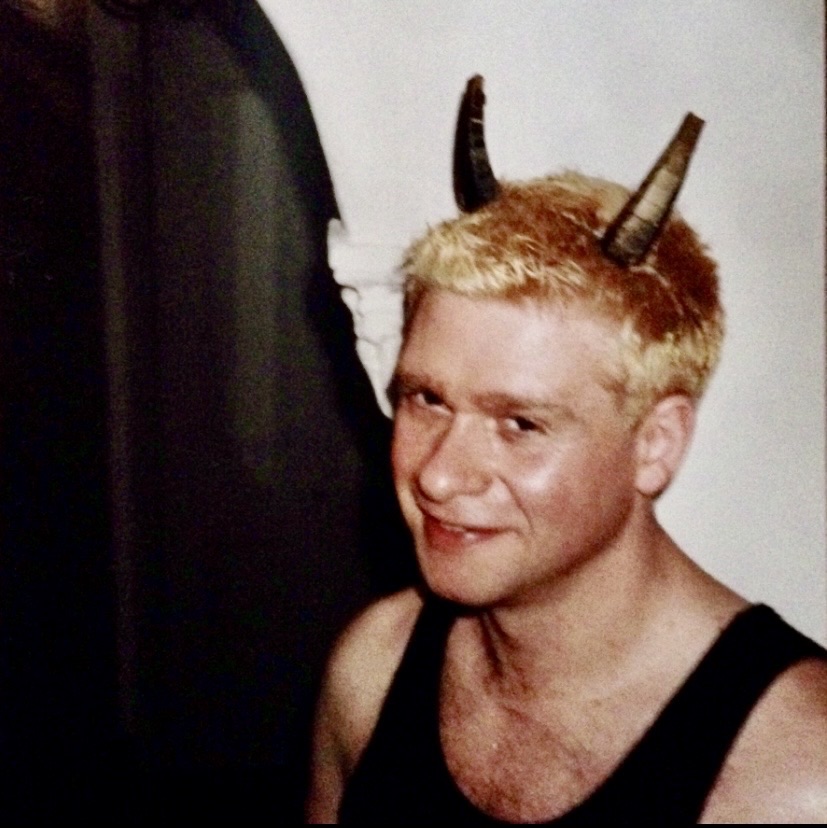
Red Enraged Demon
Angry No-Good Rasping, Yelling
Green Rinses, Expelling Emotional Negativity
Earth Acts, Restoring The Harmony

Dwarfed

Abstract mixed media

Dwarfed

Meditating, bunnies cerebrally
Trace the tallest peaks, lowest vales
In its gnarled sinuous fissured surface.

An ancient petrified monolith
Hosting microcosms of benign
Coexistence within a mostly
Silent ancient sentinel.

Eons spent photosynthesising poisoned airs
Into breath; croaking, creaking, groaning-
Burdened by arterial routes connecting.

Plagues of embattled humans procreate,
Nesting lengths of engorged dwarfed limbs.

Bunnies ponder, what will happen next?

The journey of the picture began with random blobs of water. The tree evolved from teal watercolour and salt. My husband turned two wooden Easter bunny gifts into stamps.

The picture inspired the poem.

Fleeting joie de vivre

Lukewarm Winter rays breach each
Burgeoning towering cumuli
Dazzle dancing upon crossed wakes
Happiness bubbles within
Bouncing homeward
Upon the Brisbane River
Yearning to hold fast
This fleeting joie de vivre
Undaunted by chilling
Eurus whipping the deck
Of the catamaran
Icy spray hitting my face
Coming about gathering speed
As Brett’s Wharf comes into view

The Countdown

Running late
Rushing out
Walking briskly
Trundling carryon behind
Thinking laptop’s in the office
Wondering when the bus’s due
Exiting The Hamilton
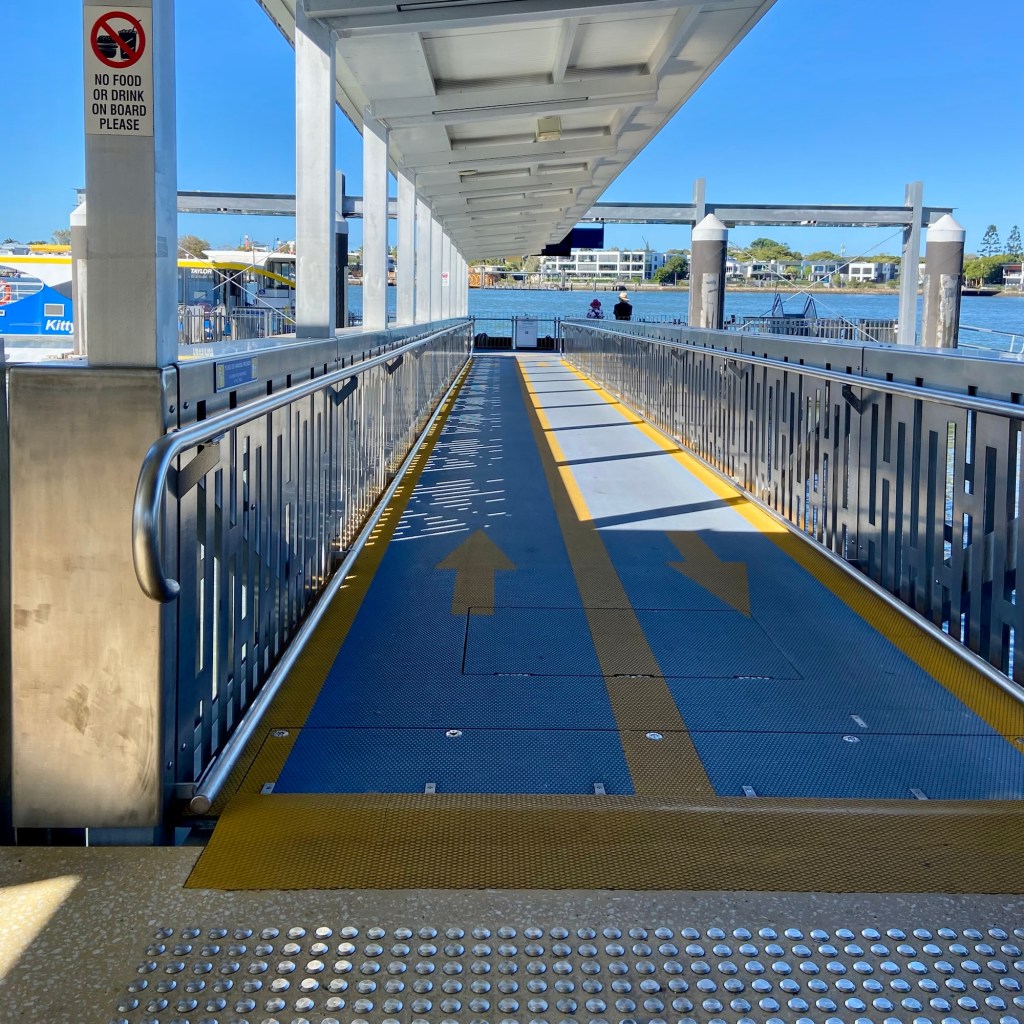
Descending the ramp
Flashing green man
Welcoming the final stage
Approaching crossing
Counting down 16, 15, 14
Speeding around the corner
Disbelieving car cuts my path
Blasting horn another
Turning in front of me
Stopping before kerb
Looking at the driver
Gesturing to number 2
Waving their arms wildly
Giving-up self-righteously indignant
Proceeding onwards
Approaching crowd
Queuing
Reaching the stop
Questioning thoughts of others
Thinking I’m not pushing in
Checking the timetable
Screaming right leg
Protesting as adrenaline settles
Guessing their day’s worse than mine

Transmutation

In the face of grim graveness
Babbling buddha Airhead fawns
Transmuting into
La la la happy fairy witch
A golden creature bathed in blinding light
Aside a
Fuzzy bunny familiar
Invokes a voile veil
Gossamer gauze of firmament
Strewn with
Flimsy fragrant garlands

Dark Escape

Gemini ai created image

Poseidon’s poised on a precipice,
Languishing lost in
Moments of melancholic malaise.

Craving numbing night,
filled with deeper darkness,
Self-indulgently succumbs to

Soporific Laudanum-like liquid-
Purgatory-pummelled merriment,
Languidly dowsing spirit.
It reeks of putrid powerlessness
Yet, repulsed by broken bridges to freedom,

An impulse to extricate.
Allows thoughts to settle,
Words tumble forth-
Moving pieces, sorting senses,
By a glimmer of Apollo’s light, Combining motes of inspiration into life.

Raining

Training the dos
Constraining the don’ts

Stop that:
fidgeting
moving
snoring
breathing

Move out of the way

Unwritten expectations
raining on my life
draining my heart
braining men

hallelujah, raining men

Maid your bed
Deal with it
Flash trash
Crashed

filthy faggot scum

Too ……….
To get hitched