Over a varied working life, I have worn many hats: retail, hospitality, ride-share driving, and people support.
My current employer of approaching seven years actively discourages working without being paid, and overtime is strictly controlled. It sounds ideal on paper. Yet, the reality is a familiar paradox: the workload and performance expectations frequently surge to a level where skipping breaks becomes the only option to actually achieve what is expected.
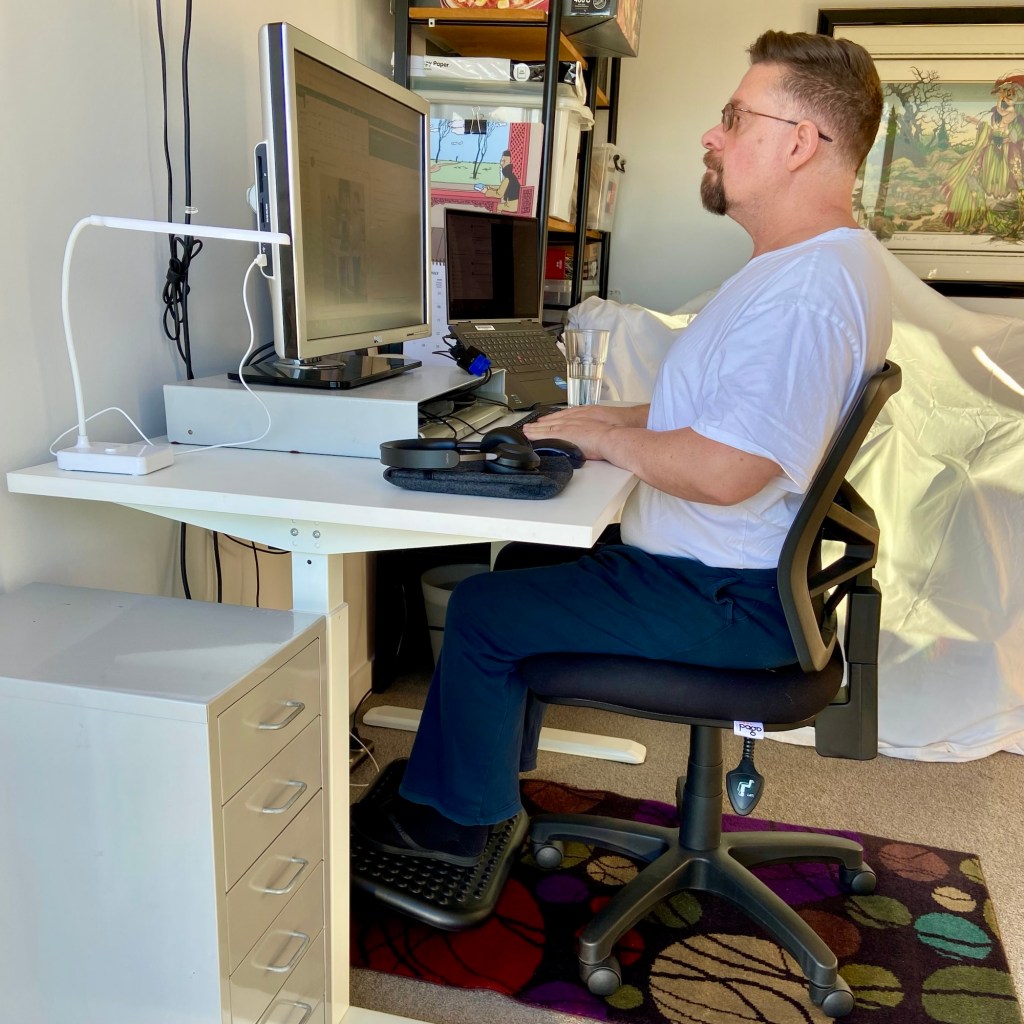
Generational brainwashing demands unquestioning diligence, pushing us to meet the demand no matter the personal cost. But the truth is, my body was built for physical activity—not for interacting with a computer for half of my waking day. The result of defying that reality is both physical and psychological damage.
For a long time, pills, potions, and therapy have succeeded in patching me up. Lately, though, the frequency and extent of the harm appear to be increasing. Maybe this is simply due to my advancing years, or maybe the system is just wearing me down faster than I can rebuild.
This past March, while attempting to accomplish the impossible during another peak period, the pressure finally broke through. The result was extreme pain in both wrists and hands—a stark red flag that consolidated a long string of upper limb and neck injuries.
Conservative treatments have only offered temporary relief this time. The damage is real, but as the title says, it’s not beyond repair. A carpal tunnel release day-surgery for my left wrist is scheduled for the 16th of July. It’s the first step in fixing the physical, even as I navigate the systemic.