Mutually beneficial 

There are people in my life who push my buttons, causing me to question my words and actions. Yesterday for example, the first email of the day was from a work colleague asking for  a meeting to discuss myself and my team moving out of our offices. Some of their people would be moving in next week. They appeared in my office, shortly after receiving news that I knew nothing about the relocation. We exchanged points of view in a jovial manner. I offered one of the desks in the area for one of their team members, as a stop gap measure.

A small time later I received another email from them, letting me know that they had no intention of kicking us out. I know that they are not the catalyst, there are more senior powers at work. The communication ended with the following “Sorry for the stressful start to your morning.” What had I done to elicit this statement? I had been reasonable, calm, and accommodating in my discussion with them; in no way stressed.

An article from fastcompany.com What Happened When I Stopped Saying “Sorry” at Work For a Week explains the positive impact on the apologiser of replacing “sorry” with “thank you”. If my colleague had thanked me rather than apologising, I would also have been spared my own negative feelings of self doubt.
Renaissance woman on a bus

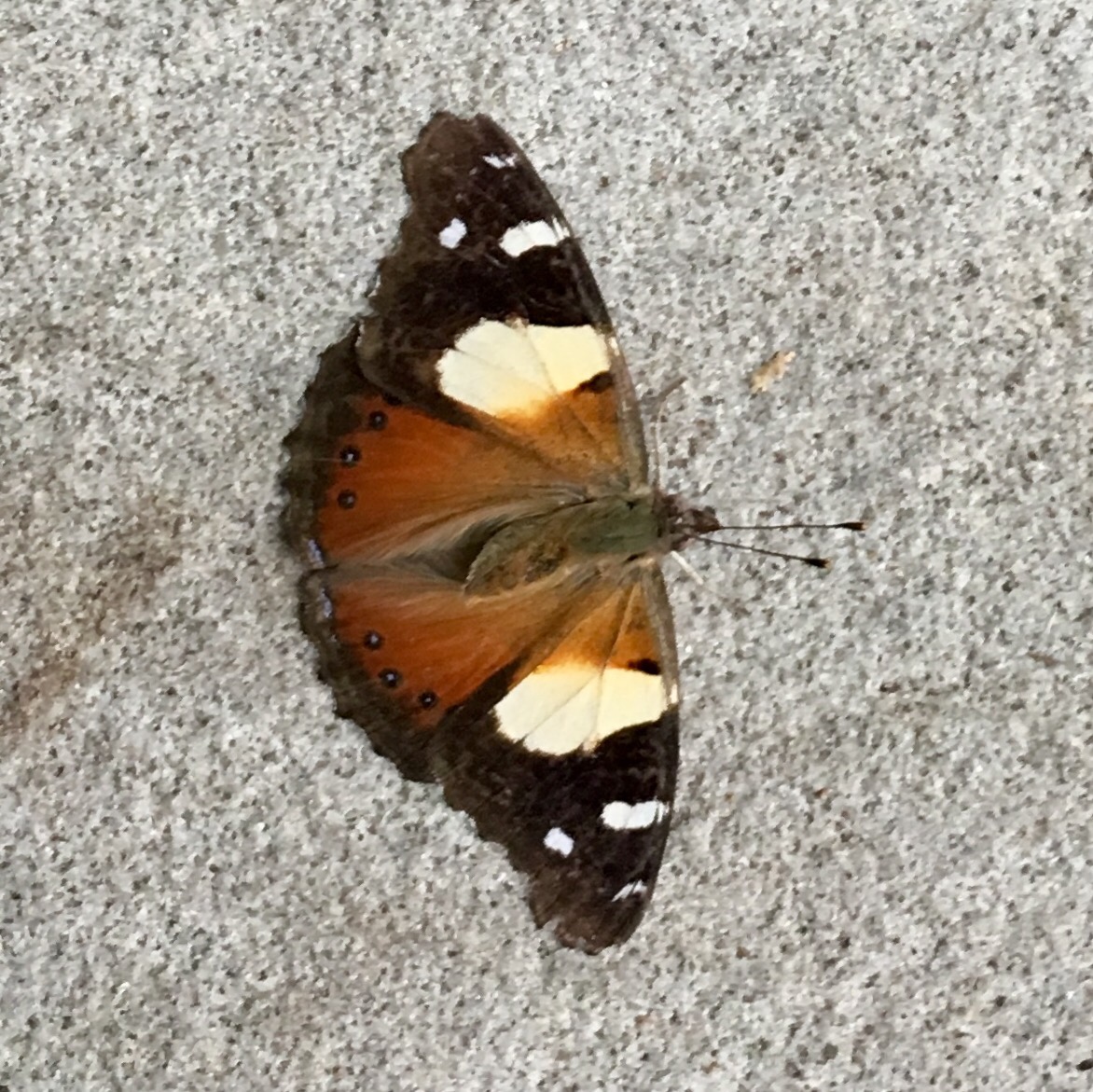
This butterfly reminds me of a morning journey in Spring when I experienced living art. 

I look up to see an attractive woman in her early forties glide down the aisle with the grace of a ballet dancer.  

I notice she wears silver sneakers without laces and black stockings beneath a soft black, calf length, bias cut skirt. The combination provides contrast to a loose fitting, burnt orange, wide necked, bat wing sleeve jumper. 

An oversized black leather shoulder bag guides my attention to the glimpse of a tattoo of ancient script on her right forearm and tasteful antique gold rings, four on each hand. 

Dark brown hair is scraped back into a small tidy bun. Gold dropper earrings with pale yellow stones, maybe citrine hang from sensual lobes. A clear Mediterranean complexion provides the backdrop for thin high arched brows above dark accepting eyes, a slight shadow of tiredness below. A slim refined aquiline nose carries my gaze to unsmiling dark blue-purple lips. 

I realise this person is an ideal subject for a modern variation of a renaissance portrait. 

Two towers

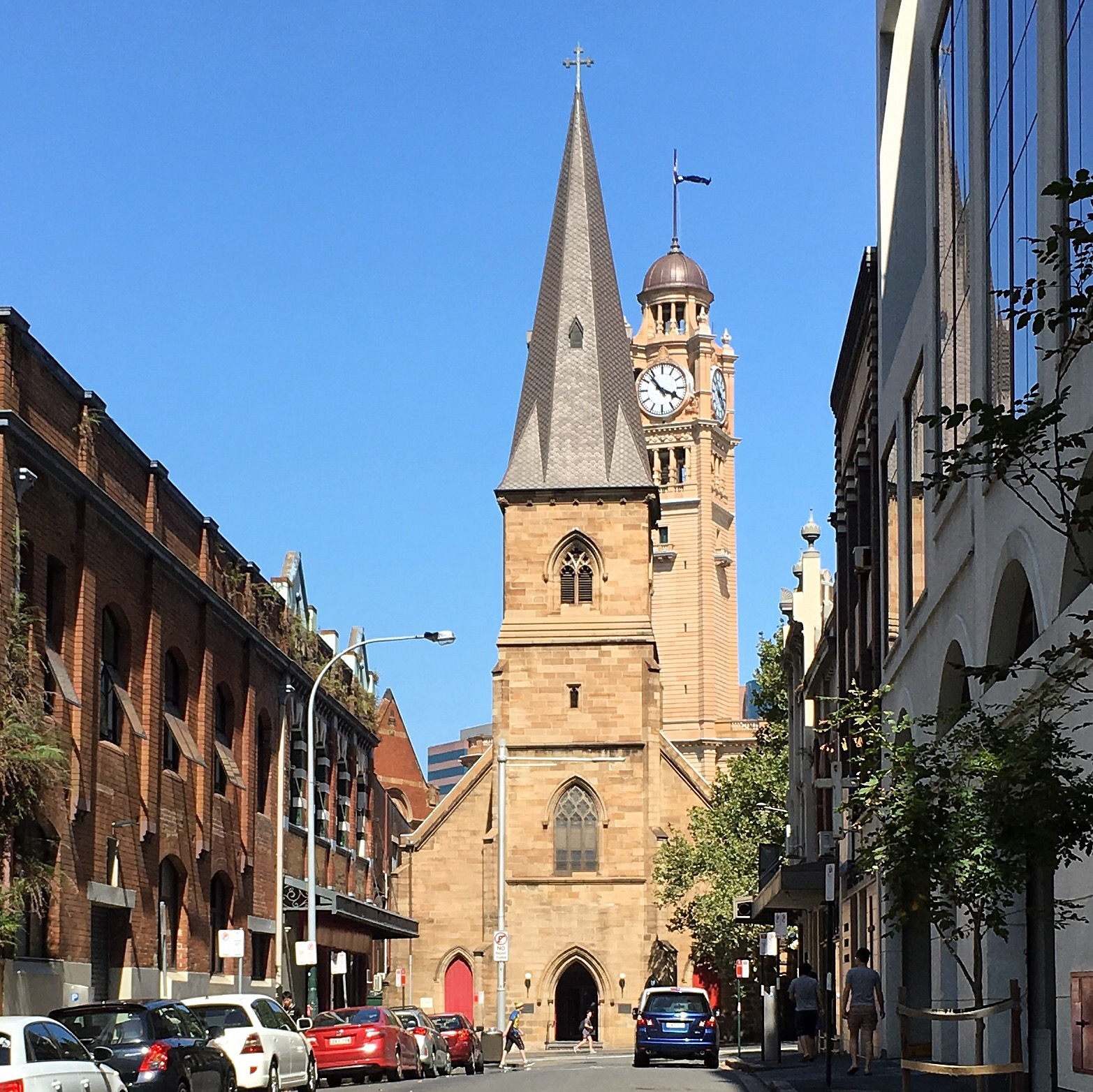
George Street entrance of Anglican, Christ Church St Laurence in the foreground, completed in 1841. Signifying a transition from Old Colonial Gothic to the Free Victorian Gothic style. 

Faced with this view along Valentine Street, you could be forgiven for thinking that the 1921, Free Classical style clock tower of Central Station is part of the same building. Pitt Street running parallel to George separates the two sandstone buildings. 

The time is nearing 4:00 pm in Sydney, the temperature is a scorching 39oC. 

Dreaming


Dreaming last night, I walked through a door into a white painted room. I noticed an ABBA Studios sign on the left hand wall. Turning to look at the sign I realised band members, Björn, Benny, Frida and Agnetha were sitting casually underneath on separate pieces of furniture. While retrieving a mobile phone from my right hip pocket, so that I could take a picture, the artists moved away. 
In my mind I could hear the haunting sound of a flute playing the track, Eagle. This song has been with me for almost 40 years, being one of my favourites on ABBA: The Album, released in the UK in 1978. Listening to Eagle always gives flight to the endless possibilities available to me, through my thoughts. The story of my connection with this album is described in Thank you for the music

Artwork information from Wikipedia 

Polar’s official cover featured an entirely white background, and is the basis for current CD versions. However, Epic Records’ original UK release of the LP featured a blue background on the front cover, fading to white at the bottom. It also featured a gatefold sleeve. The back cover was altered, incorporating a similar photo of ABBA to that used elsewhere in the world for the inner sleeve, and referencing tracks included in ABBA: The Movie. The inner gatefold was designed to look like an air mail envelope, similar to the style later used for Gracias Por La Música and even had a photo of ABBA incorporated into a stamp in the corner.

Coppiced or pollarded?


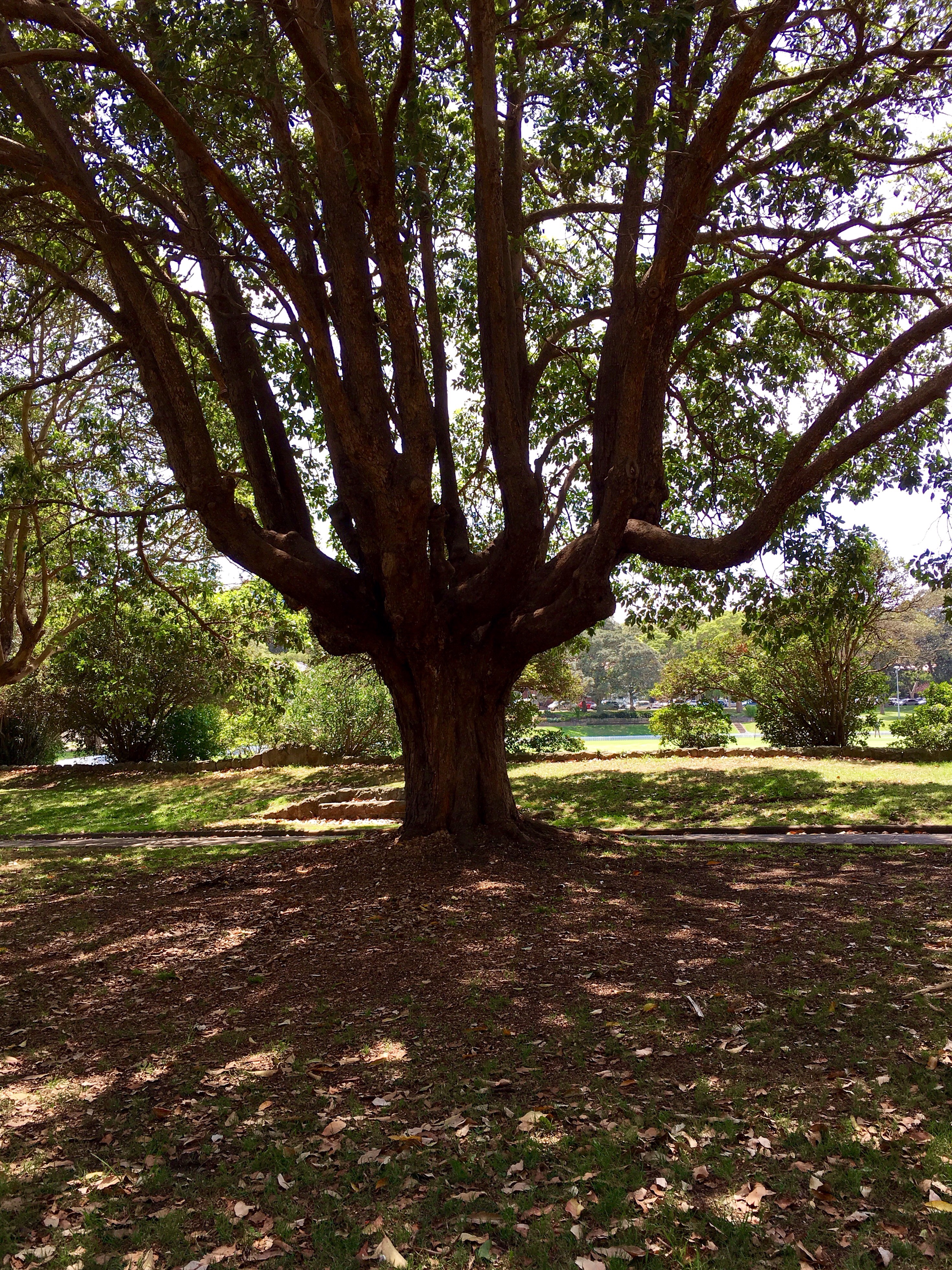
The pruning of the lower branches of this tree has resulted in vertical growth. There are many examples of them in Petersham Park, Sydney, Australia. What a journey we have been on this morning, to find out the definition of this form of pruning! Is it coppicing or pollarding? The Ultimate Practical Guide To Pruning and Training by Richard Bird and multiple Google searches confirm the following:

  • Coppicing is the cutting back almost to ground level of all the main shoots of a multi-stemmed tree. 
  • Pollarding is exactly the same except the cutting takes place at some height above the ground. 

Why do it? 

This traditional technique enables the growth of larger trees in a small space as well as producing good foliage. The variety of tree and frequency of pruning determines the thickness and most appropriate use for the timber. Thinner frequently pruned Willow branches can be used for basket weaving while thicker Oak branches produced by longer period between prunes can be used for construction. 

Foot traffic

The backdrop of the Sydney Opera House (SOH) is popular for bridal photographs. Popular vantage points include a small area in front of the Park Hyatt Hotel and the footpath under the Harbour Bridge. 

This scene with the SOH in the background  and a bride en route to a shoot is commonplace when the weather is fine. 

Don’t miss out on buns, get them early!

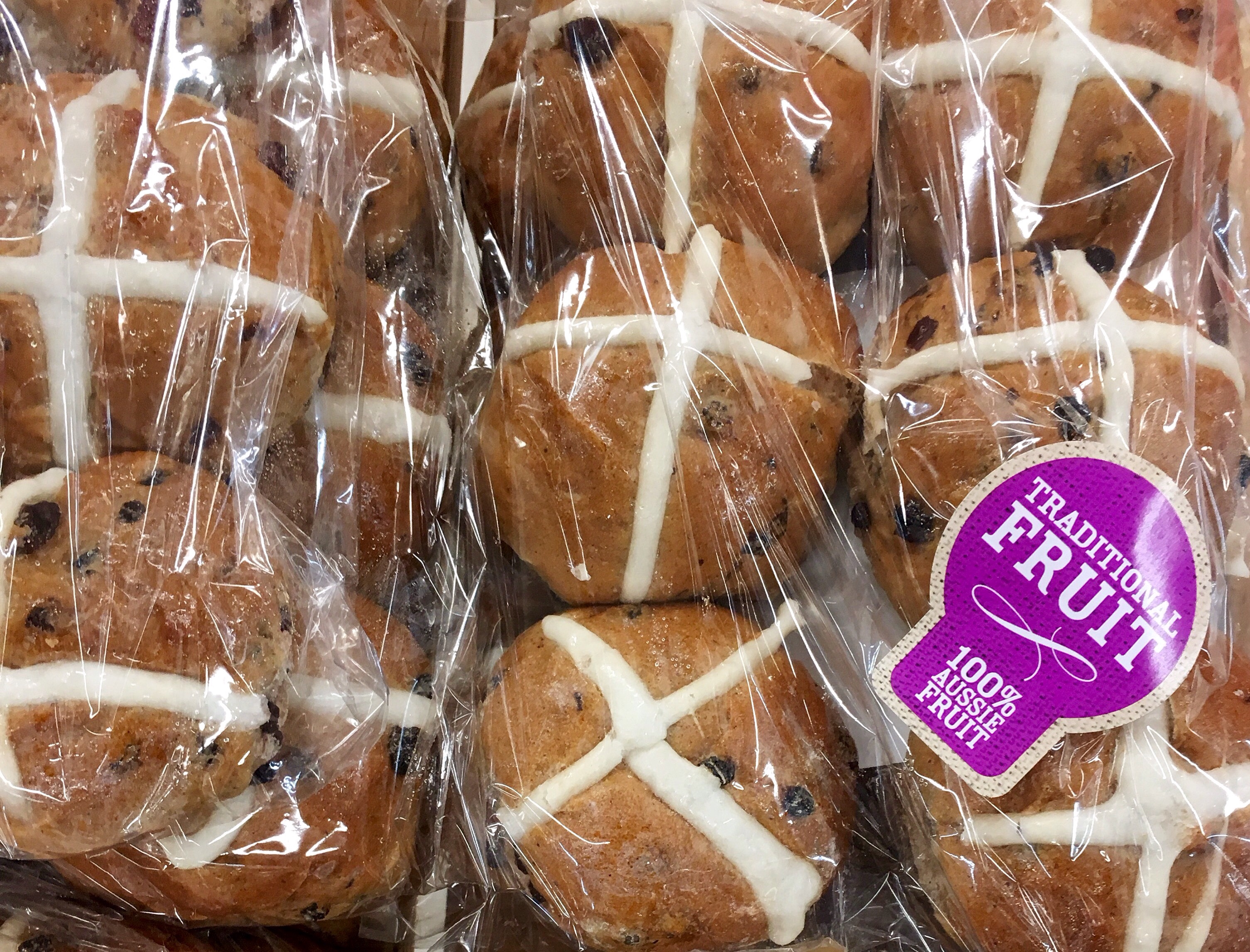
With Easter being over four months away, I was surprised to see hot cross buns in the local Coles supermarket today (2nd January). They were proudly displayed near the entrance to the shop, between the bread, fruit and vegetables. I didn’t dare look to see if chocolate eggs and bunnies had reached the shelves.

I also noticed a sign near the bread section announcing more produce was being sourced from our home state, NSW (New South Wales). My first reaction was, where was it coming from before. Then I remembered that a couple of years ago there had been allegations of “freshly baked” bread being made in Ireland, frozen and then reheated.

I resisted the temptation of filling the trolley with buns, because we are still enjoying panettone from Christmas. Perhaps hot cross buns are no longer seasonal and have been lurking in the bread section for the last twelve months. It is reassuring to note that these buns contain Aussie fruit, what about the flour yeast, eggs, sugar etc?