Grave Blue Yonder

20140204-195319.jpg
Earth’s clear blue eyes hint at fathomless depths,
Ripples sparkle by moonlight, in sunshine,
Zigzag squiggles dance to an unheard song,
Rainbow patterns entice the weary soul.

Bubbles show momentary glimpse below,
Effervescent beads surge upwards, pop, pop.
Eddies undulate to sooth, to caress,
Soft touch belies a harsh fatality.

(c) Robert Jones 2014, All Rights Reserved

If you liked Grave Blue Yonder have a look at More Precious than Diamonds

Crepe Myrtle

20140129-195820.jpg
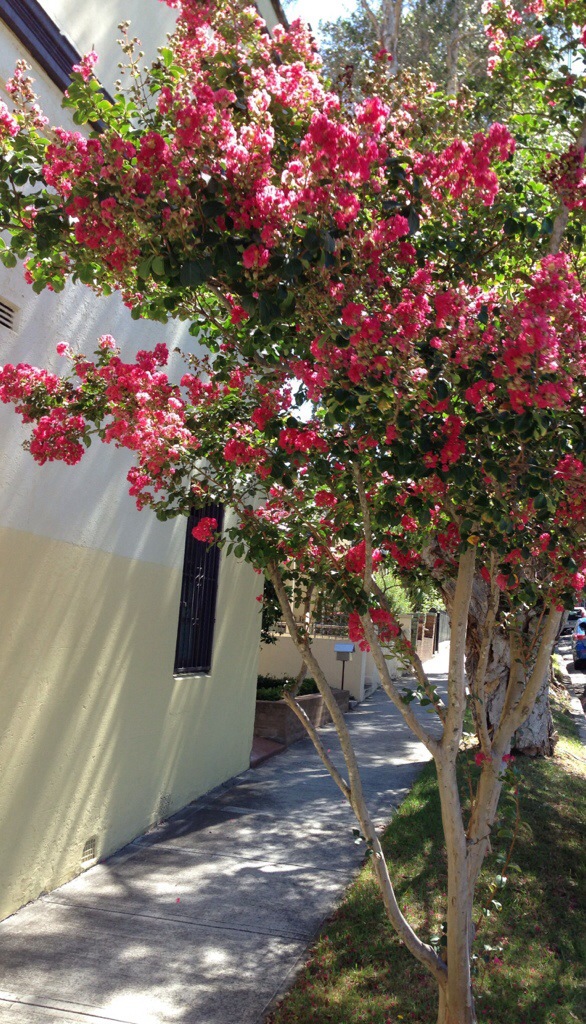
Thanks to Adventures and Musings of a Hedgewitch I now know the name of the fantastic flowering trees that bring colour to our home suburb. What coincidences that the inspiration for Peace at Home is the shadow of a Crepe Myrtle tree in Winter and that I read about them for first time in Anne Rice’s Mayfair Witches based in New Orleans!

The intensity of the sunshine in the pictures gives you a hint of the difference in temperature we experience in Sydney in June compared to January.

Freedom for the few

20140128-192841.jpg
Our rights need to earn,
But no bra to burn!
What’s liberating,
Without berating?
Just one public kiss,
A moment of bliss.
Walking hand in hand
Throughout the land,
Swimming in the nude,
It’s natural not lewd.
Equal’s just too much;
Politics and such.
Viva le revolution
The gay marriage solution!

(c) Robert Jones 2014, All Rights Reserved

Gift keeps on giving

20140125-100553.jpg
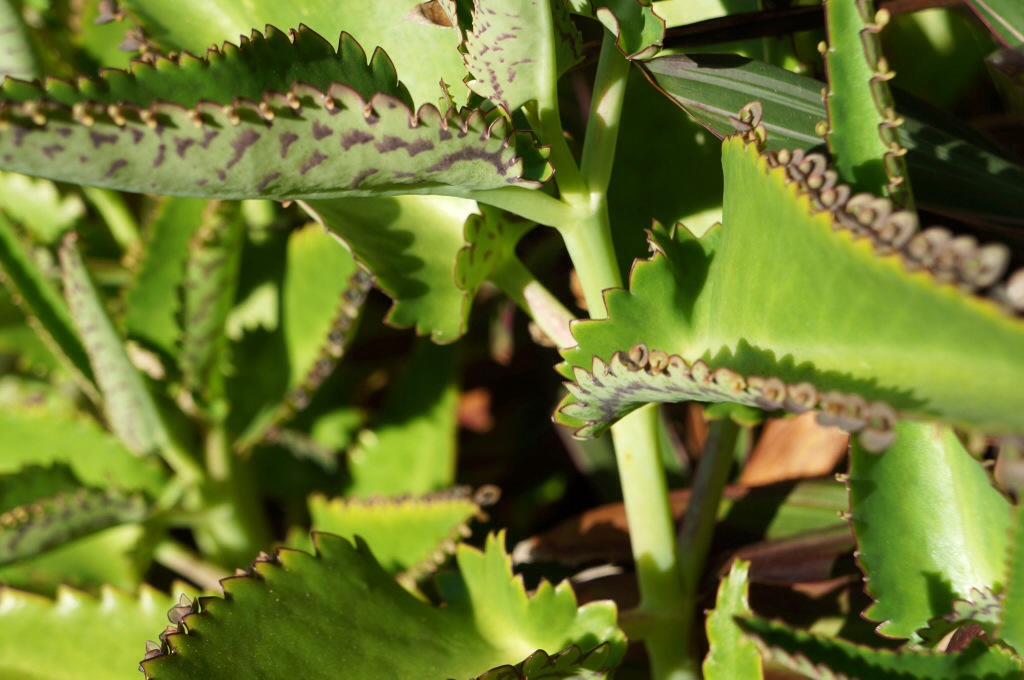
Quite soon after moving to Sydney a friend gave us a dracaena, it is hardy, easy to grow and prune. The large black plastic pot it came in also had begonias and this succulent. It sends out runners with long fleshy, serrated, elliptic shaped leaves and tall spikes with delicate looking pink bell shaped flowers.

Caryatids with a view

20140122-211850.jpg
One of my pictures from our trip to the Med in 2012. The following quote from Athens Greece Guide, Erechtheum, The Erechtheum of Acropolis, 3rd paragraph, explains what you’re looking at:

The Erechtheum is known mainly through its porch, its columns instead of pillars had six girls (korai) known as the Caryatids (named after the city of Karya in the Peloponnese), but it is not known exactly who they represent. One of the six Caryatids was brought in 1811 by Lord Elgin to Britain (now in the British Museum), the remaining five were replaced by replicas to prevent further damage from the smog (the originals are in the Acropolis Museum).

http://www.athensguide.org/erechtheion-karyatides.html viewed on 22 January 2014.